

Tooth Extractions – Lakewood, CO
Restoring Your Oral Health & Protecting Your Smile
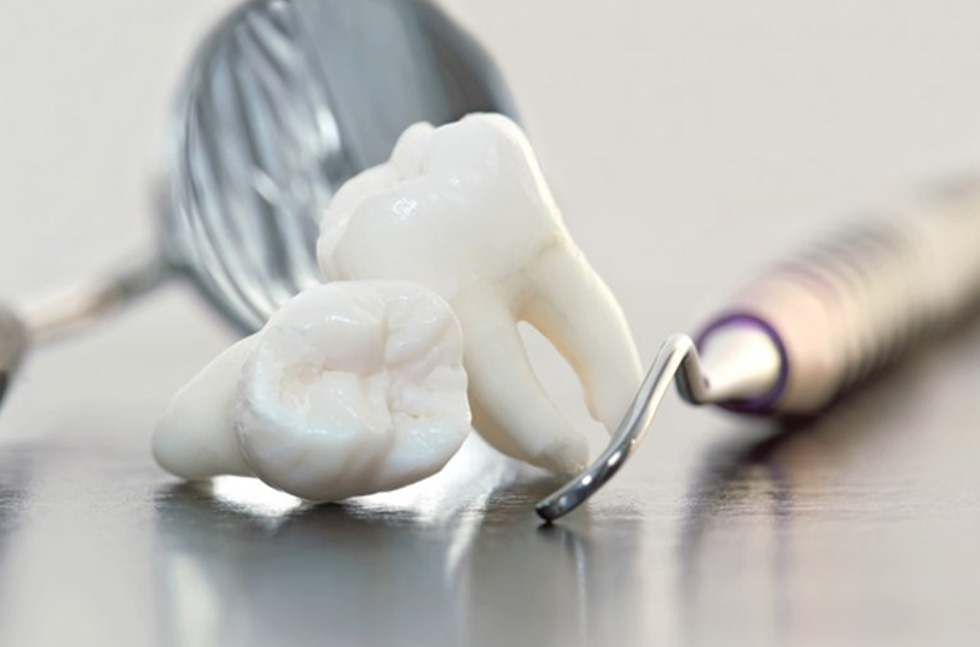
No one wants to hear that they need a tooth extraction. Indeed, we consider this treatment to be a last resort option when more conservative methods won’t restore your oral health. If your tooth has a serious infection, then removing it could be the best way to protect your smile from further harm. After your treatment, we can help you choose a suitable tooth replacement so you won’t have to navigate life with a bothersome dental gap.
Why Choose Dedicated Dentistry For Tooth Extractions?
- Same-Day Availability for Dental Emergencies
- Nitrous Oxide Offered for Nervous Patients
- Compassionate & Experienced Dental Team
Reasons Why Tooth Extractions Are Necessary

Tooth extractions aren’t just a way to alleviate toothaches, although that is one benefit of treatment. When an infection or gum disease reaches the inner layers of a tooth, it’s important to stop the condition from spreading to more of your pearly whites or to other parts of your body. In severe cases, this situation can cause sepsis and other serious complications. Cavities, too, can become dangerous by causing widespread tooth decay.
We’ll always consider more conservative options (like fillings, root canals, and gum disease therapy) before resorting to an extraction. But it can become necessary if removing one tooth would preserve the health of the rest of your smile.
The Process of Removing a Tooth

If we determine you need a tooth extraction, the very first thing we’ll do is administer a local anesthetic or, if requested, dental sedation. We want you to be as comfortable as possible during your treatment. After we help you feel more at ease, Dr. Henry will gently loosen the tooth. Extraction is sometimes referred to as “pulling a tooth,” but the goal is to get it to gradually slip out of its socket. However, if the tooth is trapped below the gumline, it may need to be surgically removed.
Tooth Extraction Aftercare

The anesthetic will keep your mouth numb for a few hours after your extraction. Once it wears off, you can take pain medication to help ease the discomfort. You’ll also have to follow strict aftercare instructions to avoid developing dry socket – a painful condition that can occur when the blood clot protecting a dental socket dislodges. We’ll make sure you have the information you need for a smooth recovery, which will likely include the following guidelines:
- For the first 24 hours, do not smoke, drink through a straw, spit, brush the treatment area, or participate in strenuous activities.
- Lie down with your head elevated, especially while you sleep at night.
- Stick to a soft food diet.
- Avoid chewing on the side of your mouth your tooth was extracted from.
- Get plenty of rest!
Understanding the Cost of Tooth Extractions

Although Dr. Henry usually does everything he can to protect and preserve your natural teeth, there are some circumstances in which an extraction is the best way to safeguard your smile. But it’s normal to have questions about this treatment, such as how much it usually costs.
However, the answer can vary depending on your unique circumstances, though our team in Lakewood will happily provide a more detailed estimate after your initial examination. Continue reading to learn more about how pricing is determined and how we help make services more affordable!
Factors That Can Affect Tooth Extraction Cost

There are several factors that can potentially affect how much your procedure might cost, including:
- The location of the tooth. Molars in the back of your mouth can be harder to access and might be partially covered by your gums, requiring more time and additional steps to remove, which raises the rate.
- The number of extractions required. Those having multiple teeth pulled can usually expect to pay more than those who only have one tooth to treat.
- The complexity of your case. If you have a severely damaged or decayed tooth that requires a specialist’s involvement, you’ll also be responsible for paying for their services.
- The type of replacement. Different restorations, like dental bridges, dentures, and implants, all have their own pricing structures.
Does Dental Insurance Cover Tooth Extractions?

Many dental insurance policies cover 50% of major procedures, such as tooth removals, but every plan is different, and there are no guarantees. Plus, there may be additional restrictions to be aware of, such as an annual deductible, a required waiting period, or a limited number of teeth that can be treated during your visit.
If you’re unsure what’s covered by your insurance or need help with claims or paperwork, please feel free to contact us. Our friendly office staff are familiar with different policies and are happy to help you maximize your available benefits.
How to Make Tooth Extractions Affordable

Dr. Henry and the rest of our team in Lakewood understand that not all patients carry dental insurance, and we don’t want your current financial situation to prevent you from undergoing this potentially smile-saving procedure.
If you’re uninsured and are concerned about the cost of your tooth extraction, you might benefit from one of the following options:
- Flexible financing. We’ve partnered with CareCredit to offer flexible payment plans that let you divide your final invoice into more manageable installments over a designated period, if your application is approved.
- Clerri® In-House Membership. We also offer an in-house membership plan at a low monthly or annual fee that includes routine preventive services, such as exams, cleanings, and X-rays, as well as additional savings on other treatments.
Tooth Extraction FAQs
When Is a Tooth Extraction Necessary?
Our team will only suggest extraction when there is no other viable way of saving the tooth or teeth in question. That said, a few common reasons we may recommend this procedure include severe decay that has compromised the structural integrity of the tooth, advanced gum disease that has loosened a tooth beyond repair, a cracked or fractured tooth that cannot be restored, or overcrowding that is preventing proper alignment. Impacted teeth that are causing pain, infection, or crowding are also among the most frequent reasons for extraction. Of course, if replacing the tooth is also necessary, our team will walk you through that process and those options, as well.
How Long Does a Tooth Extraction Take?
The length of a tooth extraction procedure depends on the complexity of the situation. The extraction of a fully erupted tooth can often be completed during a single appointment in a matter of minutes. Surgical extractions, which are required when a tooth is impacted, broken at the gumline, or has unusually-shaped roots, take longer and involve a small incision in the gum tissue. In either case, the procedure itself is typically much faster than most patients anticipate! We'll give you a realistic sense of what to expect time-wise during your consultation so you can plan your day accordingly.
Does a Tooth Extraction Hurt?
You’ll be happy to hear that the tooth extraction procedure itself should not be painful! Before we begin, the area is thoroughly numbed with a local anesthetic so that you feel no outright pain, though feeling some slight pressure is entirely normal. Some soreness and tenderness in the days following the procedure is also expected as the area heals, but this is easily managed with over-the-counter pain relief or medication we prescribe. However, if you fail to adhere to your post-op guidelines, you might develop a painful condition called dry socket. If you experience any abnormal or severe symptoms following your tooth extraction, such as excessive swelling or uncontrollable bleeding, don’t hesitate to let our team know.
What Should I Eat After My Tooth Extraction?
For the first 24 hours, it’s wise to stick to soft, cool foods that require little to no chewing: things like yogurt, applesauce, smoothies, mashed potatoes, and soup that isn't too hot. You should avoid anything crunchy, hard, chewy, or spicy during the initial healing period, as these items can irritate the extraction site or dislodge the blood clot—which will lead to dry socket. Likewise, don’t use a drinking straw since the suction can cause problems. As you heal over the following days, you can begin to reintroduce more solid foods, depending on how your mouth feels. Within a week or two, you should be able to handle your normal diet once more.