

Gum Disease Treatment – Lakewood, CO
Caring for More Than Just Your Teeth

Your teeth play a crucial role in your oral health, but did you know your gums are just as important? When bacteria and plaque gather on your gums, it can lead to a dangerous infection called periodontal (gum) disease. Without treatment, you can suffer tooth loss and overall health problems like heart disease and diabetes. If you need relief for sensitive or bleeding gums, please contact us to learn how Dr. Henry can help with gum disease treatment in Lakewood, CO!
Why Choose Dedicated Dentistry for Gum Disease Treatment?
- Comfortable Amenities and Sedation Offered
- Stress-Free, Low-Pressure Approach to Dental Care
- Soft Tissue Laser for More Efficient Treatment
Scaling & Root Planing
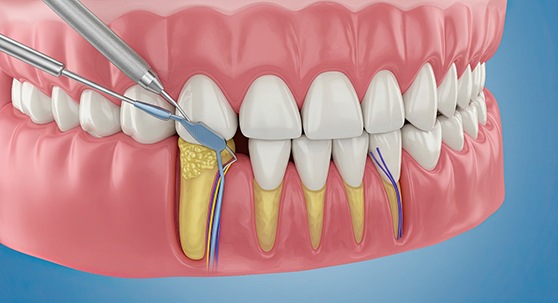
Although it is often possible to reverse early stages of gum disease by improving your oral hygiene routine, if the condition has become too far advanced, you may require a more comprehensive intervention. Scaling and root planing is a two-step gum disease treatment in Lakewood designed to remove calcified deposits of plaque from above and below the gumline, allowing your periodontal tissue to reattach to the teeth and provide greater protection against oral bacteria, tartar, and debris.
Do I Need Scaling & Root Planing?
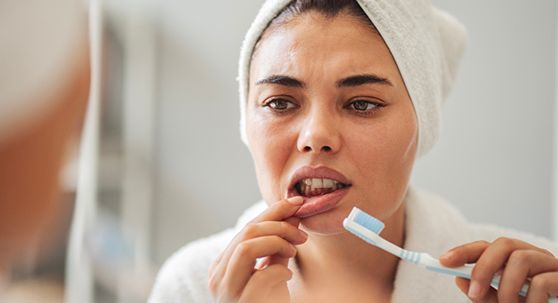
Whether you’ve noticed that your gums are looking puffy, receding, or they’ve begun bleeding when you brush or floss, you may already be aware that you’re suffering from gum disease. In addition to these symptoms, you may also be experiencing things like chronic bad breath and visible plaque buildup that are less noticeable to you and more obvious to Dr. Tavi. In these cases, a regular dental cleaning is not usually enough to stop the progression of periodontal problems. Worse yet, if the condition is left untreated, it could eventually lead to tooth loss and bone deterioration. To remedy this, Dr. Tavi may recommend a two-part deep cleaning known as scaling and root planing.
The Process of Scaling & Root Planing
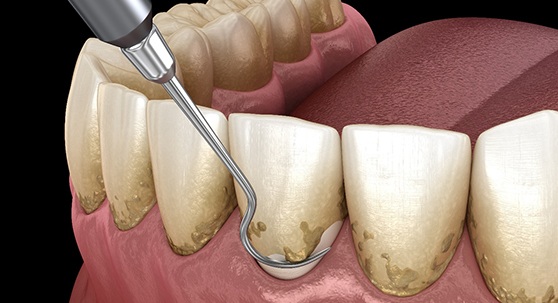
In most cases, scaling and root planing will need to be completed over the course of two dental appointments.
On your first visit, Dr. Tavi and the team will use a dental scaler to remove any plaque and tartar deposits from the surface of your enamel, reaching as far down as we can into your gingival pockets.
Then, in approximately two weeks, you’ll return to Dedicated Dentistry for the planing process, where Dr. Tavi will carefully remove the hardened bacteria that have accumulated on the roots of your teeth, lurking below the gumline. This is both to halt the progression of the infection and to prevent new generations of bacteria from infiltrating the gums.
Aftercare Tips for Scaling & Root Planing

Because scaling and root planing can be a very in-depth gum disease treatment in Lakewood, Dr. Tavi recommends giving your teeth and gums a few weeks between steps so they can properly recover.
While you heal, you may notice an increase in tooth sensitivity and some initial discomfort. Rest assured this is completely normal and a regular part of recovering from scaling and root planing.
To help make this period more manageable, abide as closely as you can with the following aftercare instructions:
- Rinsing your gums with warm saltwater is not only a great way to loosen food and plaque so it’s easier to brush and floss, but it can be extremely soothing, too. To make your own, mix ¼ teaspoon of salt with eight ounces of warm water. Then, swish gently for several seconds and spit.
- When brushing your teeth after gum disease treatment in Lakewood, use a soft-bristled toothbrush in small, slow, circular movements.
- Avoid any foods that are hot, spicy, or acidic, and abstain from drinking alcohol until your mouth has completely healed.
- Don’t smoke, vape, or use tobacco products.
- In the first two days after each appointment, it is best to stick to a softer, less-abrasive diet.
- Do not participate in any strenuous activities immediately following your dental appointments, as this can divert blood away from your gums and slow down healing.
Scaling and root planing is a safe, effective gum disease treatment in Lakewood designed to eliminate hardened bacteria deposits and give your gums a fresh chance to support and protect your teeth. If you have any questions about any aspect of the procedure, or if you’d like to schedule a consultation, contact us today!
Laser Periodontal Treatment
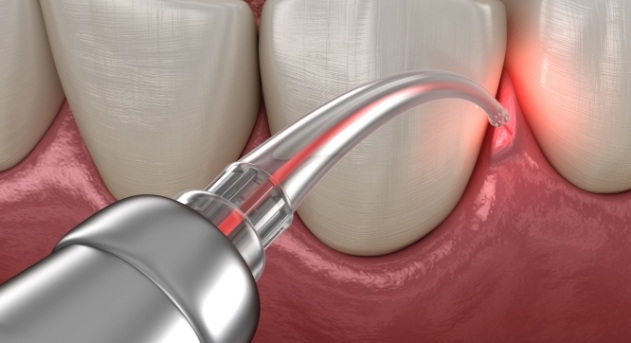
Some of our experienced team members can use a soft tissue laser to remove dangerous bacteria from your gum line. This device emits an intensely concentrated beam of light, vaporizing bacteria while preserving your healthy gum tissue. Compared to traditional dental instruments, laser periodontal therapy is often so comfortable that most patients don’t even need to be numbed with a local anesthetic!
How Laser Periodontal Treatment Works
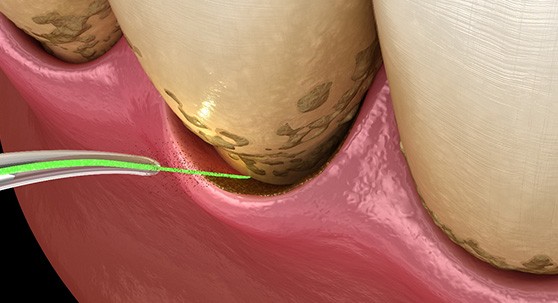
Laser periodontal treatment allows us to remove damaged tissue and bacteria from the pockets around the teeth. The laser only targets diseased gum tissue and sterilized the area, reducing bacteria levels and promoting healing. Additionally, the laser can be used to access and remove tartar buildup beneath the gumline, helping the healthy gum tissue to attach to the teeth.
The Benefits of Laser Periodontal Treatment
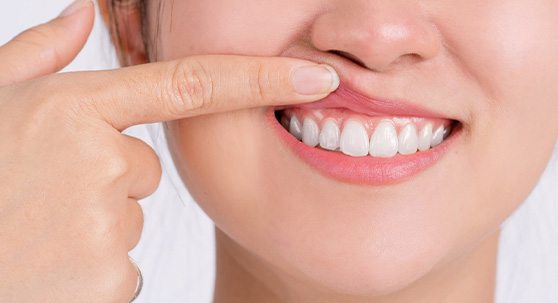
Laser periodontal treatment offers a wide range of benefits. Here are some of the most prominent ones.
- Minimally Invasive: Dental lasers are very precise and only target diseased tissue, leaving the healthy tissue untouched. THIs means minimal discomfort, reduced bleeding, and less welling during and after the procedure.
- Quick Recovery: Since laser periodontal treatment is minimally invasive, the recovery time is much quicker than traditional gum surgery. You should be able to return to your normal schedule after just a couple of days.
- Lower Risk of Infection: The dental laser sterilizes the area as it goes, reducing the risk of infection.
- Effective: Laser periodontal treatment is highly effective at removing infected tissue and bacteria from the pockets around the teeth. This results in improved gum health and reduced risk of complications.
Aftercare Tips for Laser Periodontal Treatment

Your gums will need to take some time to heal following your procedure. Here are some steps you should take following laser periodontal treatment.
- Eat soft, nutritious foods
- Avoid hot and spicy food
- Avoid hard, crunchy food
- Brush your teeth twice a day
- Floss between your teeth daily
- Rinse your mouth with antimicrobial mouthwash
Antibiotic Therapy
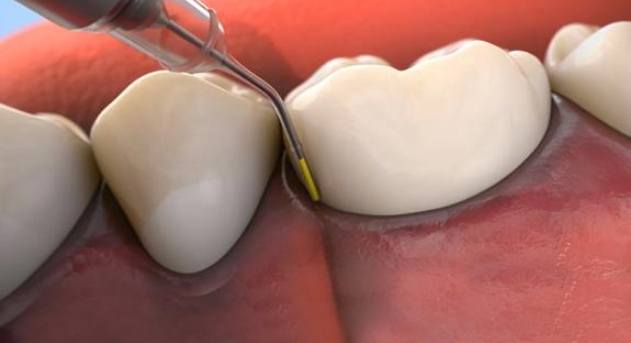
As gum disease progresses, tiny spaces start to form between your gums and your teeth. Bacteria love to gather in these areas, called periodontal pockets. Cleaning these spaces can be challenging even with our advanced dental instruments, but topical antibiotic therapy can work wonders for reducing the infection. Once we apply the medicine to your periodontal pockets, it gradually dissolves and works to eliminate bacteria in even the deepest reaches of your gums.
Causes of Gum Disease
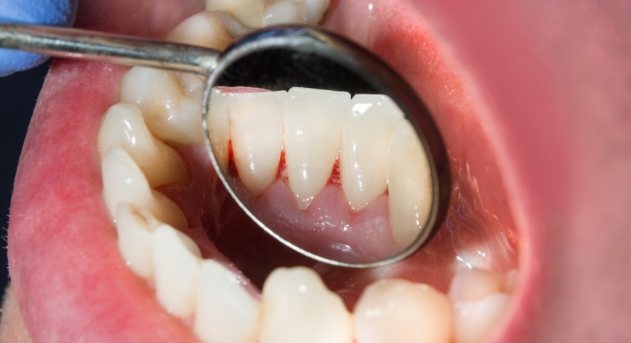
Gum disease occurs when plaque accumulates, allowing harmful bacteria to attack the tissues in the gums and jawbone. Commonly caused by inadequate oral hygiene, gum disease can also develop for other reasons, such as a genetic predisposition or tobacco use. Not only does smoking contribute to dry mouth (inhibiting the production of saliva that washes away bacteria), but it also hinders your body’s ability to fight infections.
Gum Disease Prevention
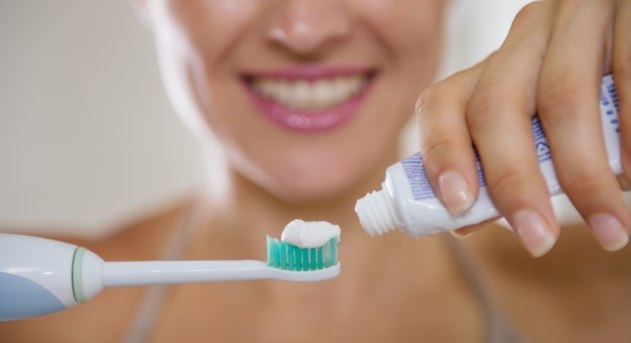
Even if gum disease runs in your family, you can still minimize your risk by taking certain precautions. Brushing your teeth twice a day for two minutes and flossing at least once a day disrupts the formation of plaque. You should also try to quit smoking. Lastly, keep your six-month dental checkups. Gum disease can be hard to detect, but Dr. Henry can spot and treat it early on.