

Preventive Dentistry – Lakewood, CO
We Make It Easy to Maintain a Healthy Smile
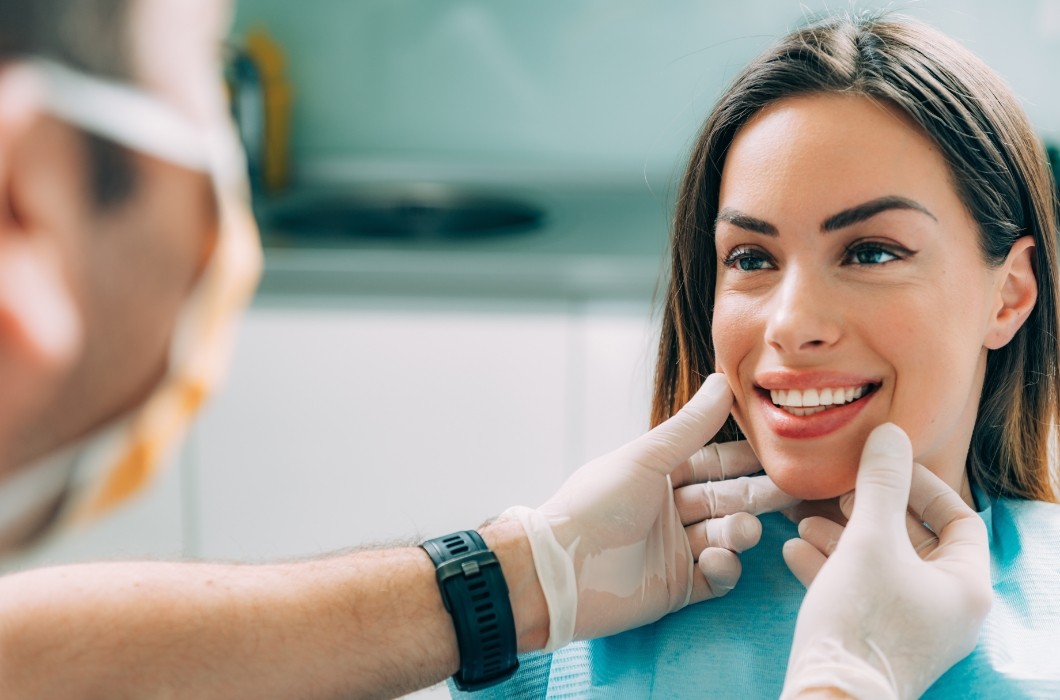
When it comes to dental health, a little bit of prevention now can pay off later on. If you visit a skilled dentist like Dr. Henry twice a year for cental checkups, you can stop tooth decay and infections from worsening and requiring more extensive treatments down the road. Has it been more than six months since your last dental checkup? If so, we’d love for you to call us and schedule your next one, so don't hesitate to reach out to our dental office for preventive dentistry in Lakewood, CO!
Why Choose Dedicated Dentistry for Preventive Dentistry?
- Stress-Free, Low-Pressure Approach to Dental Care
- Pillows, Blankets, & Nitrous Oxide Sedation Offered
- We Welcome Patients of All Ages
Dental Checkups & Teeth Cleanings
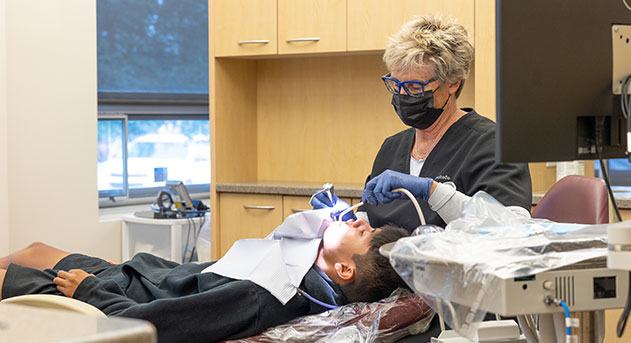
No matter your age or the state of your teeth, we encourage you to visit our dental office at least twice a year for a regular checkup and cleaning. At these appointments, Dr. Henry can closely look at your teeth, gums, existing dental work, and overall bite before creating a plan to treat any issues. Then, one of our experienced hygienists will thoroughly clean your teeth, removing cavity-causing plaque and surface stains for a healthier smile.
Learn More About Dental Checkups & Teeth Cleanings
Nightguards for Bruxism
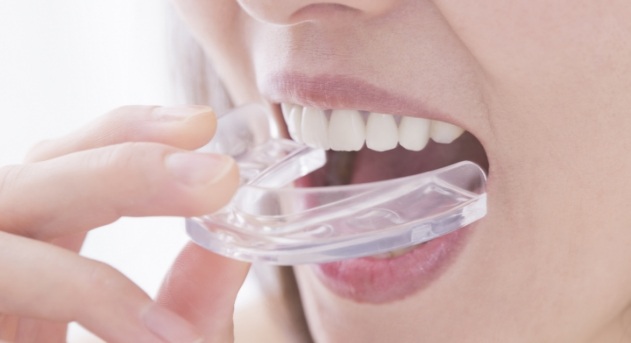
You may not have heard the term “bruxism” before, but if you grind your teeth while you sleep, then you probably have it. In the short term, bruxism can cause sensitive teeth and a sore jaw, but without treatment, it can wear down your enamel and lead to serious damage. To protect your smile, Dr. Henry can provide a custom-made nightguard. Simply wear it to bed, and your teeth will be shielded from harm.
Fluoride Treatment
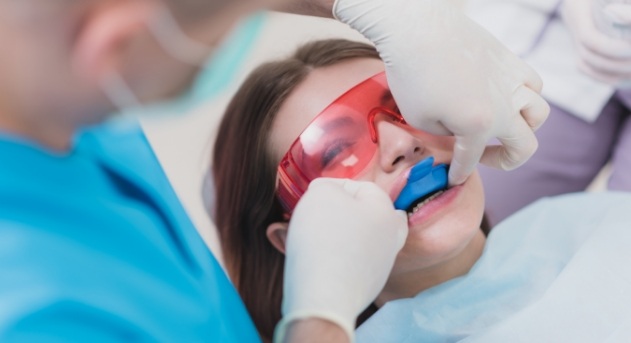
Brushing and flossing twice daily can be a simple and effective way for patients of all ages to remove plaque and bacteria that contribute to common dental health concerns, including cavities. However, eating too many acidic or sugary foods can also strip your enamel of its nutrients, increasing the likelihood of developing decay or sustaining injuries.
Dr. Henry can help strengthen the protective outer layer of your teeth with topical fluoride treatment. Continue reading to learn more about this standard preventive service and who it can help, and please feel free to contact us for additional information.
What is Fluoride?
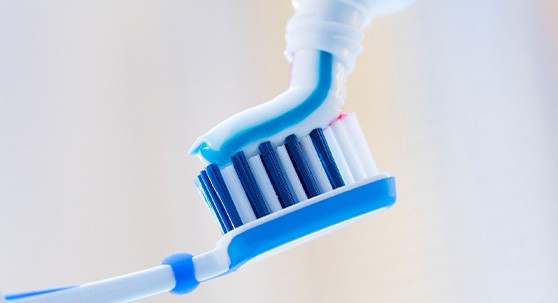
Fluoride is a naturally occurring mineral that is found in natural water sources, like rain, rivers, lakes, creeks, and therefore can also sometimes be found in different plants and vegetables growing in the soil.
But you may be more familiar with this element because it’s frequently included in dental products, such as toothpaste or mouthwash, and is sometimes included in public sources of drinking water to support a population’s dental health. In large enough doses, it can cause dental fluorosis, which causes discoloration, or stomach indigestion, but drinking water and other commodities contain only small, safe amounts.
How Does Fluoride Treatment Work?
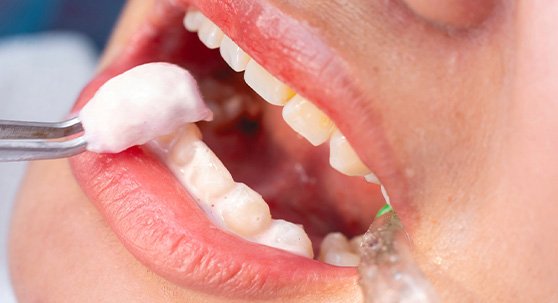
Topical fluoride usually comes as a gel, foam, or varnish, which can be applied directly to your enamel or placed into applicator trays that are then placed over your arches. It only takes a few moments to apply, but Dr. Henry may recommend waiting 30 to 60 minutes before eating or drinking because it can take that long for the active ingredients to take full effect.
Fluoride works by pulling essential minerals, such as calcium and phosphate, from your saliva and incorporating them into your enamel. These are the essential building blocks for strong, healthy teeth, and can prevent, halt, and sometimes reverse early stages of tooth decay.
Who Benefits from Fluoride Treatment?
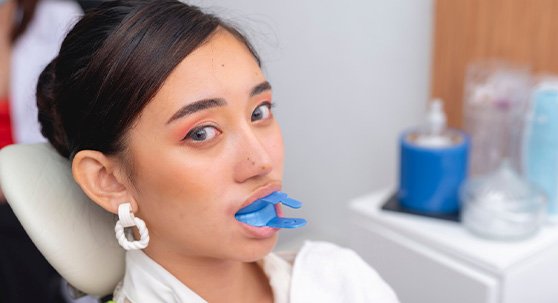
This service is often recommended for children after a routine checkup and cleaning to help strengthen their still-developing smiles, and it comes in many appealing flavors to help make it more palatable. But it can also help adults after an exam or as a standalone treatment.
For example, Dr. Henry might suggest topical fluoride to those who have:
- Mobility challenges or other disabilities that make it difficult to maintain a twice-daily at-home oral hygiene routine.
- Other medical conditions, like diabetes, that can increase the risk of certain dental health problems.
- Sensitive teeth due to weakened or thinning enamel.
If you’re unsure why we suggested this treatment or have other questions, we are happy to provide additional information so you feel confident moving forward.
Oral Cancer Screenings
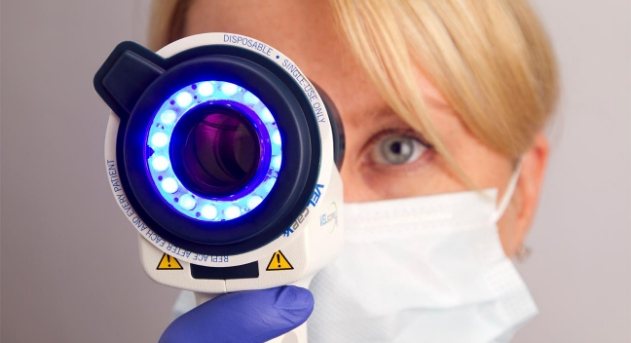
Did you know that sources report that the American Cancer Society estimates that 60,000+ new cases of oral cancer are diagnosed each year? Although it’s incredibly serious, catching it early is one of the simplest and most effective ways to improve a patient’s prognosis.
Thankfully, Dr. Henry includes oral cancer screenings during standard dental exams and cleanings to help catch and treat it before it can progress. Continue reading to learn more about this preventive service, so you know what to expect during your next routine visit!
Signs & Symptoms of Oral Cancer
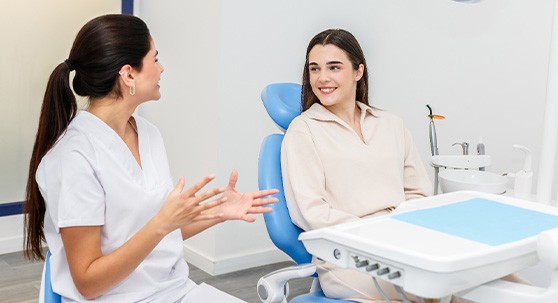
Oral cancer often starts off small and is therefore often mistaken for other more widespread issues, such as gum disease. Knowing what to look for can help you recognize potential problems early so you can get help.
Some common symptoms of oral cancer can include:
- Ulcers or sores in your mouth that don’t heal after a couple of weeks.
- Red or white patches on the tissues of your gums, tongue, inside your lips, or inner cheeks.
- Difficulties chewing or swallowing due to limited range of motion in your tongue, mouth, or jaw.
- Numbness or bleeding in the lips, tongue, or other tissues.
- Loose teeth or discomfort when eating.
- A lump or thickening of tissues in your mouth or throat.
If you’re displaying one of these symptoms, it doesn’t necessarily mean you have oral cancer, but it’s best to contact our office to schedule an examination so we can identify the underlying issue.
What Does a Dentist Look for During an Oral Cancer Screening?
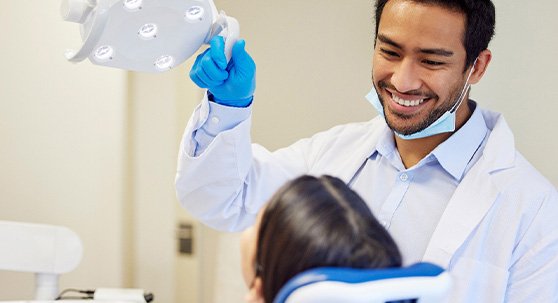
For this part of your appointment, Dr. Henry will visually examine the soft tissues inside your mouth and at the back of your throat to ensure there are no potential problems developing. This includes checking your inner cheeks, gums, tongue, and the insides of your lips.
If he finds red or white patches, thickening of tissues, irregular textures, or swollen areas, he might also feel along your neck or jaw to detect whether you also have any swollen lymph nodes.
In many cases, blisters, sores, ulcers, or irritation have benign causes, so Dr. Henry may need to perform additional scans or tests if he finds potential problems to determine whether cancer is present.
What Can I Expect During My Screening?
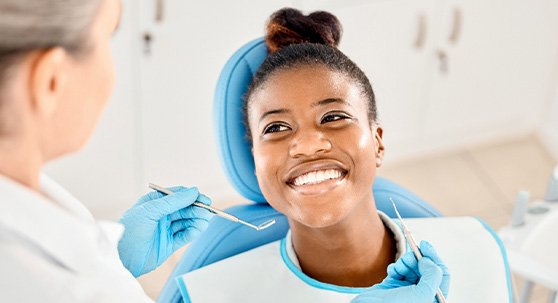
This screening will likely only take a few minutes and takes place during routine dental exams and cleanings, so there’s no need to book a special appointment. Not only that, but checking your tissues is usually a straightforward process, so there’s nothing you need to do in preparation.
If everything looks healthy, Dr. Henry will wrap up your visit and send you home. However, if he finds areas of concern, he will discuss the next best steps with you, which sometimes requires consulting your primary healthcare physician for an official diagnosis.
Athletic Mouthguards
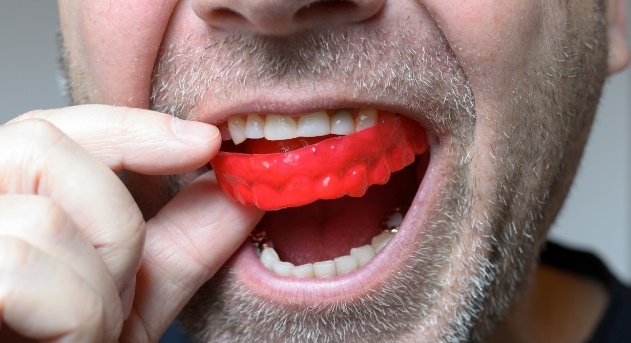
Wearing a helmet when playing contact sports is a no-brainer; however, many athletes don’t give their teeth the same level of protection. In fact, about 40% of all dental injuries are linked to playing sports. If you or a family member is an avid athlete who is at risk of suffering facial trauma, our personalized athletic mouthguards fit more comfortably and provide greater protection than the cheaply made ones at the sporting goods store.
Dental Sealants
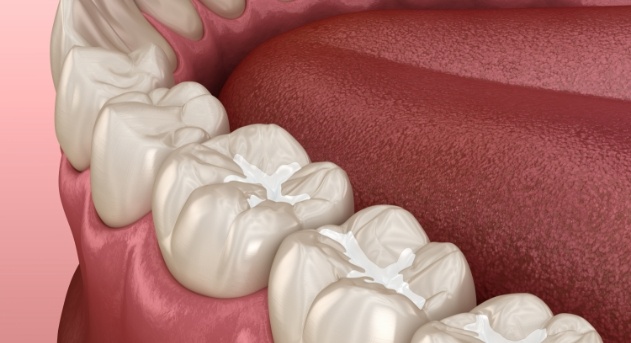
Your molars and premolars are particularly vulnerable to decay because of their deep grooves. To prevent food debris and bacteria from getting trapped, we can apply dental sealants over the chewing surfaces. A thin, clear resin creates a barrier against cavity-causing debris that can last for up to a decade. Sealants are especially helpful for children who are still learning to brush, but they can benefit patients of all ages.